Same configuration, same quantity, same destination

Stage Monitor Speakers

Stage Monitor Speakers Sourcing is an independent sourcing partner. A factory quotation is comparable when every supplier prices the same wedge or monitor system, the same cabinet count, the same US destination and the same delivered scope. Headline model names and peak SPL stickers are screening clues, not a finished comparison.

  • Configuration: passive wedge, powered wedge, or a wireless monitor path still to be defined.
  • Quantity: cabinets, pairs or systems, plus spare transducers if the buyer wants them quoted.
  • Destination and Incoterm: US city, packing and who arranges freight.
  • Open items: drawings, test basis, commissioning scope and exclusions.
Request Factory Quotes Review inquiry options
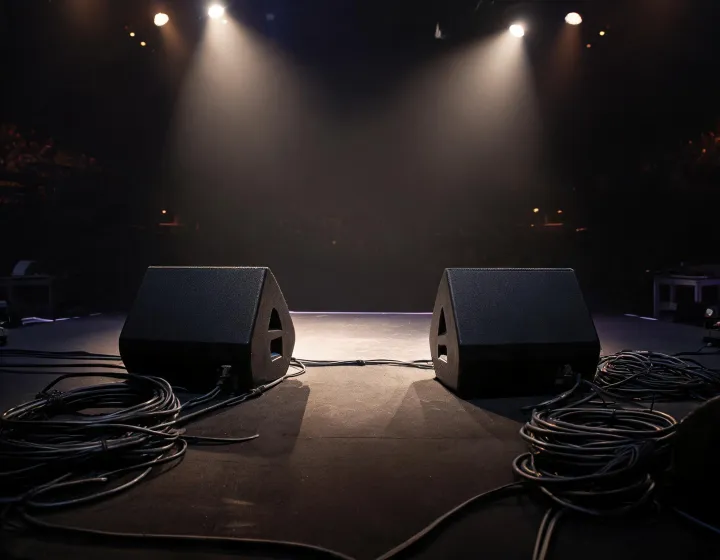
Floor wedges lined beside a live-sound stage during a line check

What the first brief has to pin down

These four cards are buyer questions. They do not describe cabinets this desk holds.

Application and process

Name the show type: concert wedge, theater pit, worship platform, corporate lectern or festival deck. Note whether the artist needs a vocal-forward mix, a full band mix, or a playback cue. A 12 inch coaxial wedge and a 15 inch 2-way wedge answer different sightline and output questions, so the brief should say which family is in scope.

Input and control interface

Ask whether the proposed cabinet is passive with an NL4 or other speaker-level input, or powered with an XLR or combo mic/line input. If the rider mentions networked audio, ask which protocol and who supplies the switch. Processing inside a powered box is part of the bill of materials, not a free assumption.

Duty and operating environment

State hours per show, number of shows per week, indoor or outdoor deck, and ambient temperature. A powered cabinet also needs the mains utilities requirement: voltage, frequency and phase, often 100-120 V or 220-240 V. Duty cycle of the onboard amplifier should be quoted with the test method, not as a marketing peak.

Files and acceptance

Request a current datasheet, dimension drawing, and the test basis for continuous power and maximum SPL. AES2-2012 and IEC 60268-5 are document names to ask for when the supplier uses them. A factory acceptance test, incoming check and spare parts list stay on the buyer side until a model is proposed.

Stage Monitors inquiry rows

The whitelist category is Stage Monitors. Each row is an inquiry range. Empty image fields mean artwork is still in the separate image workflow.

Stage Monitor Speakers

Use this row when the buyer has not yet split passive and powered. Record nominal impedance, often written as 8 ohm, and ask for the minimum impedance curve. Record frequency response with the window, such as -10 dB or -3 dB, and coverage at -6 dB. Confirm rigging or a floor-wedge angle before anyone treats a catalog photo as fit.

Open the product scope

Wireless Stage Monitor

This phrase covers two different purchases: a wireless in-ear pack and a wedge fed by a wireless transmitter. The brief must say which one. For an in-ear path, ask frequency band, latency, body-pack power and how many mixes. For a wireless wedge, ask the transmitter-to-cabinet link and who holds the RF coordination. Neither reading is stock on this site.

Compare wireless inquiry cards

Powered Stage Monitor

A powered box folds the amplifier into the cabinet. Ask continuous power into the stated load, input voltage, heat at the grille, and whether a pole cup or yoke is included. Service access for the amplifier module changes the spare parts list. Commissioning scope, covers and a spare transducer should be marked included, excluded or pending.

See powered quote fields

Compatibility questions before a quote

Can a passive wedge share an amplifier with the mains?

Sometimes a designer does that, and sometimes the monitor bus needs its own amplifier. Ask the proposed supplier for impedance, recommended amplifier power above the AES2 continuous rating, and whether the NL4 pinout matches the house loom. This desk does not approve the gain structure.

Does a stated 136 dB maximum SPL mean the cabinet is loud enough?

No single sticker answers that. Ask for the distance, the input power or the 1 W / 1 m sensitivity, the weighting and the duration. Peak and continuous figures diverge. Put the test basis next to the number before two factories are compared.

Will a wedge angle suit the sightline?

Datasheets often show a floor angle around 30 to 45 degrees, sometimes with a second angle. Ask which angle is the default, the cabinet height, and whether a yoke or flying kit is a separate line. Stage lip height and performer position stay a venue measurement.

What if the deck is outdoors?

Ask for an ingress protection figure and the test method if the supplier prints one. Many stage wedges are indoor tools. Rain, dust and ambient temperature then become exclusions or a different product family, not a footnote.

Public product-family pages, including manufacturer catalogs, are used to frame questions. They are not evidence that a named factory has offered a price to this desk. Read the procurement brief and the specification guide before you send drawings.

Request Factory Quotes

Send the product family, configuration, quantity and destination. An optional budget can state a currency and whether it is per cabinet or for the whole order. Supplier preference is high-end, mid-range, budget or undecided, and it is not a verified rating.

Delivered cost still has to be built from equipment, required accessories, consumables, packing, freight, commissioning and exclusions. No percentage saving is published here.

Enter a contact name.
Enter a valid work email.
Enter the buying company.
Describe the specification, quantity, destination and delivery timing.